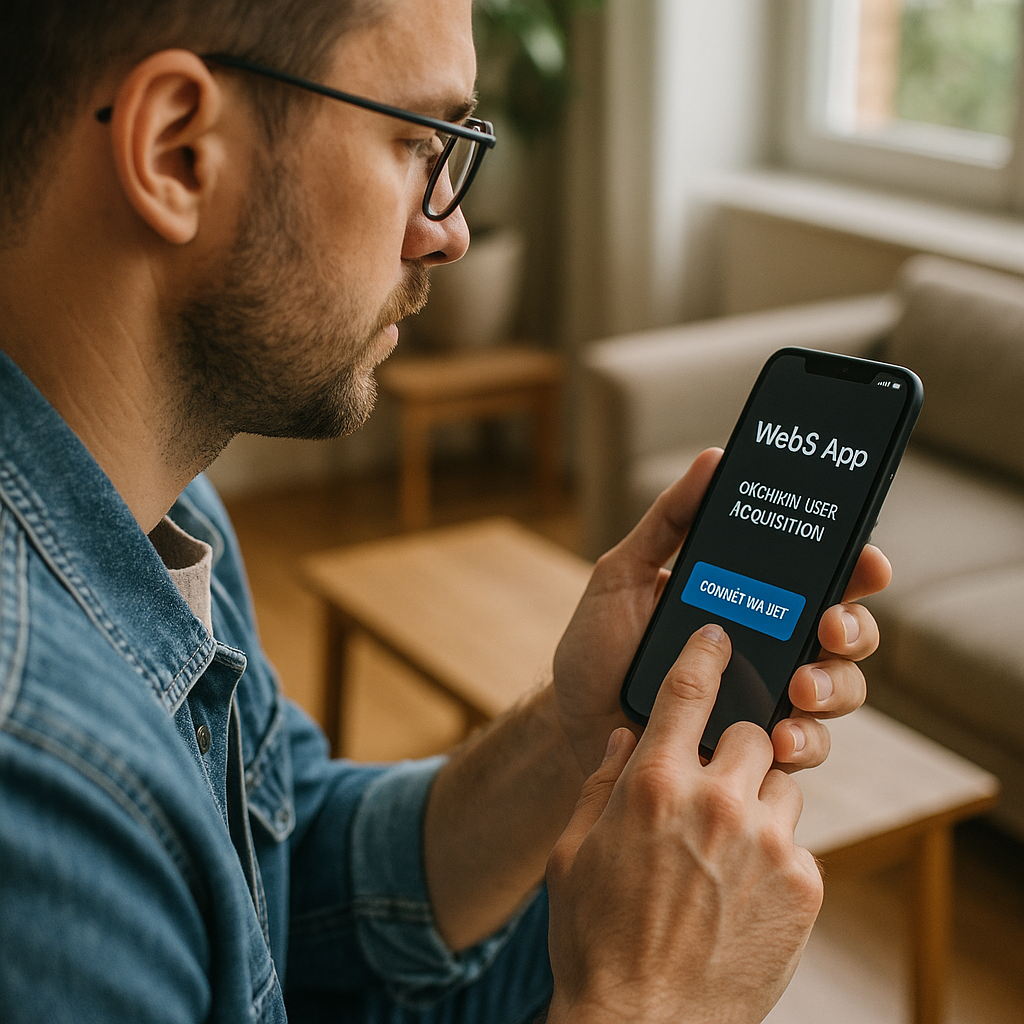


Onchain User Acquisition For US DeFi Startups is shifting from paid hype to measurable wallet behavior. If you are building a DeFi protocol in the United States, this guide shows how to attract compliant, high-intent users without wasting budget on vanity traffic.
What Is Onchain User Acquisition For US DeFi Startups?
Onchain user acquisition means using blockchain data, wallet activity, token behavior, liquidity actions, and protocol interactions to find, segment, onboard, and retain users. For US DeFi startups, it also requires careful attention to securities, sanctions, privacy, and consumer protection rules before launching growth campaigns.
Traditional growth teams often target clicks, emails, or demographic profiles. However, DeFi teams can see something more useful, verified wallet behavior. A wallet may show prior swaps, lending deposits, liquidity pool participation, governance voting, NFT ownership, bridge activity, or stablecoin usage.
That data creates a sharper picture of intent. For example, a wallet that used Aave, Uniswap, or Base recently may be more relevant than a broad “crypto enthusiast” audience. As a result, Onchain User Acquisition For US DeFi Startups can reduce waste and improve activation quality.
Still, this is not a shortcut around trust. According to research on digital finance adoption, users are more likely to stay when products feel secure, transparent, and easy to understand. Therefore, strong acquisition must work with compliance, education, and product safety.
How Does Wallet-Based DeFi User Acquisition Actually Work?
Wallet-based acquisition starts by identifying useful onchain signals, then matching those signals to a campaign goal. Instead of asking, “Who might like DeFi?” a startup asks, “Which wallets already behave like our best users?” That small change can improve targeting, messaging, and retention.
- Onchain User Acquisition For US DeFi Startups works best when campaigns target verified wallet actions, not broad assumptions.
- Wallet segmentation helps separate traders, lenders, liquidity providers, DAO voters, and airdrop hunters.
- Message personalization can reflect user intent, such as yield access, lower fees, or governance rights.
- Attribution improves because teams can connect campaign exposure to wallet actions.
- Retention becomes easier when founders monitor real usage, not only signups.
For instance, a lending protocol may target wallets that hold stablecoins and have used lending markets before. Meanwhile, a decentralized exchange may focus on wallets with repeat swap activity on Ethereum, Arbitrum, Optimism, or Base. Similarly, a liquid staking project may study wallets that interact with staking derivatives.
Experts recommend combining onchain analytics with first-party data. This may include email opt-ins, referral sources, product events, governance participation, and support conversations. However, teams should avoid collecting unnecessary personal data. Privacy-first acquisition usually builds more trust, especially in the United States.
Onchain User Acquisition For US DeFi Startups: The Signals That Matter Most
The strongest signals depend on your product category. However, most DeFi growth teams should track a few core behaviors before spending heavily on campaigns.
Useful onchain acquisition signals include wallet age, transaction frequency, total value locked, chain preferences, token holdings, protocol history, bridge usage, liquidity position changes, and gas spending patterns. In addition, teams should watch for bot-like activity, sybil clusters, and wallets that only chase rewards.
This matters because not every active wallet is valuable. Some users extract incentives and leave. Others test products slowly before committing capital. Therefore, Onchain User Acquisition For US DeFi Startups should measure user quality, not only wallet count.
A practical approach is to create three segments. First, target high-intent wallets already using similar products. Next, educate adjacent users who show relevant behavior but have not used your category. Finally, nurture early community members who may become advocates, delegates, or liquidity providers.
Which Acquisition Channels Work Best for US DeFi Protocols?
The best channels depend on your risk profile, audience, and product maturity. However, several channels repeatedly perform well when paired with defensible onchain analytics.
- Wallet-based ads: These campaigns target wallets based on transaction history or token behavior, often through Web3 ad networks.
- Quest platforms: Galxe, Layer3, and similar tools can drive education, although teams must design tasks that discourage low-quality farming.
- Referral programs: Referrals work well when incentives reward real usage, not empty signups.
- Partner integrations: Integrating with wallets, aggregators, bridges, or analytics tools can place your protocol near user intent.
- Community-led education: High-quality explainers, risk guides, and AMAs can convert cautious users over time.
- Governance participation: DAO proposals and delegate outreach can attract users who care about long-term protocol direction.
Studies suggest that financial users need repeated trust signals before acting. Consequently, one campaign rarely drives durable growth alone. A better plan connects a wallet ad, educational page, product tutorial, risk disclosure, and onboarding flow.
For example, a US DeFi startup can target wallets that recently bridged to Base. Then, it can send those users to a simple page explaining fees, supported assets, smart contract audits, and withdrawal steps. This journey feels safer than a vague landing page promising large returns.
What Are the Main Risks in DeFi Customer Acquisition?
DeFi customer acquisition carries real risks. These include regulatory exposure, misleading yield claims, sanctions issues, privacy concerns, smart contract vulnerabilities, and incentive abuse. Therefore, growth teams should include legal, compliance, security, and product leaders before launching campaigns.
US DeFi startups must be especially careful with language. Claims about yield, returns, safety, or token value can create legal and consumer protection problems. In addition, teams should avoid suggesting that a protocol is risk-free. No DeFi product can honestly make that claim.
Regulatory agencies and frameworks that often matter include the SEC, CFTC, FinCEN, OFAC sanctions rules, state money transmission laws, and consumer advertising standards. The exact exposure depends on the product, users, assets, governance structure, and business model. Because rules change quickly, consult qualified legal, tax, and financial professionals before launching major campaigns.
Security also affects growth. If users see unclear audits, anonymous contracts, weak documentation, or confusing permissions, they may leave before connecting a wallet. Moreover, phishing risk is high in crypto. Clear domain practices, wallet warnings, and support channels can reduce harm.
How Can Teams Reduce Risk While Growing Faster?
A safer growth system starts before the campaign goes live. It also continues after users arrive, because acquisition quality depends on user outcomes.
- Review claims before launch: Remove exaggerated yield language, vague safety promises, and unclear token statements.
- Screen for restricted exposure: Use appropriate sanctions and geolocation controls where required by counsel.
- Protect user privacy: Collect only necessary data and clearly explain how it is used.
- Design incentives carefully: Reward verified product value, not shallow clicks, spam, or sybil behavior.
- Publish risk education: Explain smart contract risk, liquidation risk, impermanent loss, oracle risk, and bridge risk in plain language.
- Monitor cohorts weekly: Track retention, deposits, withdrawals, support tickets, and suspicious activity.
Notably, the best-performing teams do not treat compliance as a blocker. Instead, they use it as a trust advantage. Clear disclosures, conservative messaging, and transparent documentation can make cautious users more comfortable.
How Should a US DeFi Startup Measure Onchain Growth?
Many teams track the wrong numbers. Total wallets, impressions, and Discord joins may look good, but they do not always show business health. Instead, Onchain User Acquisition For US DeFi Startups should connect campaigns to durable wallet behavior.
Useful metrics include activated wallets, first transaction rate, cost per funded wallet, repeat transaction rate, net deposits, retained TVL, protocol revenue, referral quality, and governance participation. In addition, teams should separate organic growth from incentive-driven spikes.
A simple dashboard can answer five important questions. Which wallets arrived from each campaign? Which ones completed a valuable action? How many returned after seven, 30, and 90 days? Which incentives attracted farmers? Finally, which segments became long-term users?
For early-stage teams, this is often more valuable than broad brand awareness. Meanwhile, mature protocols may combine onchain attribution with content SEO, institutional partnerships, ecosystem grants, and developer relations.
What Is a Practical 30-Day Plan for DeFi User Onboarding?
A focused 30-day plan can help teams test demand without overspending. It should be simple, measurable, and compliant from day one.
- Days 1 to 5: Define your ideal wallet profile using existing user data, competitor protocol activity, and chain-specific behavior.
- Days 6 to 10: Build compliant landing pages with risk disclosures, product education, audit links, and clear onboarding steps.
- Days 11 to 17: Launch small campaigns across wallet targeting, partner communities, and educational quests.
- Days 18 to 24: Compare cohorts by activation, repeat usage, deposit quality, and support friction.
- Days 25 to 30: Cut weak segments, improve onboarding, and scale only the channels producing retained users.
This plan works because it forces discipline. Instead of chasing every crypto trend, founders learn which wallets truly need the product. As a result, budget goes toward sustainable protocol growth, not temporary attention.
Onchain User Acquisition For US DeFi Startups works best when data, trust, compliance, and user education move together. If you target real wallet intent, explain risks clearly, and measure retained behavior, you can grow with more confidence and less wasted spend.