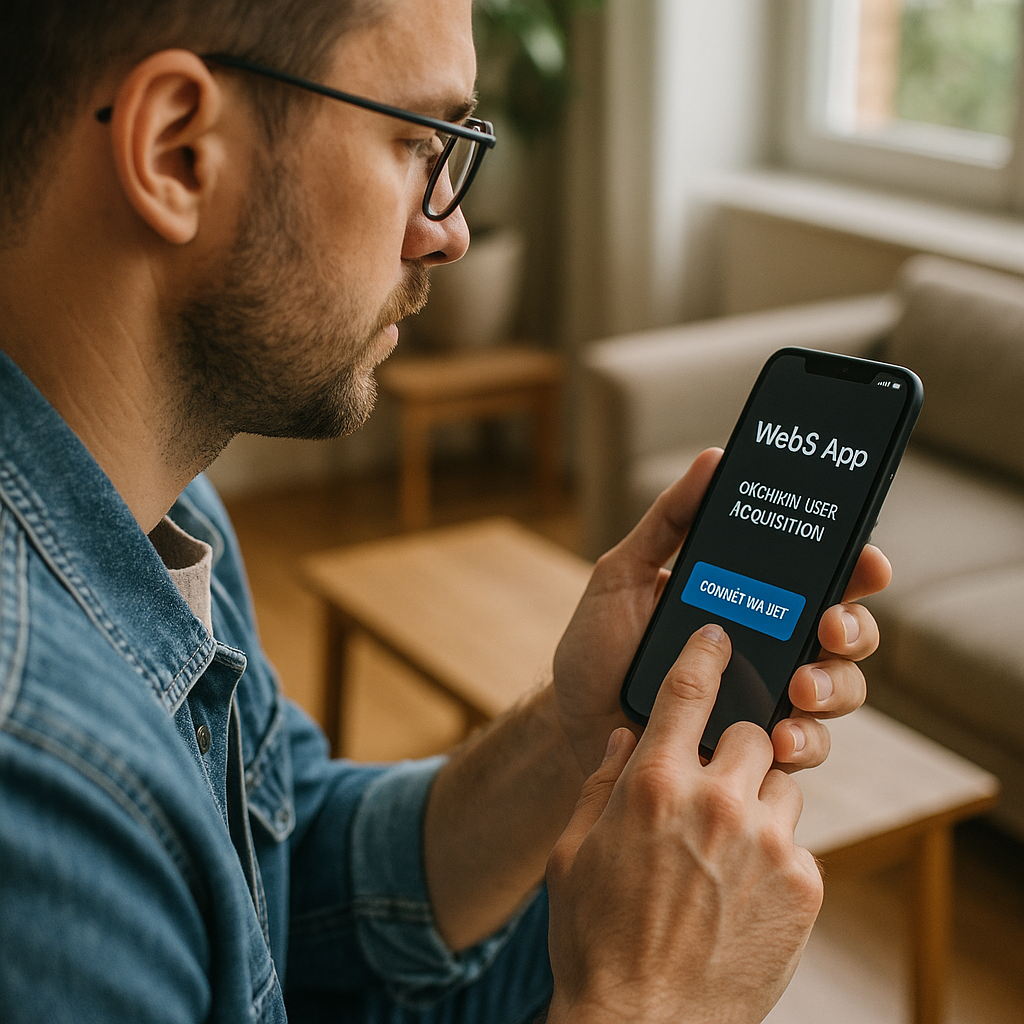


Onchain User Acquisition For US DeFi Apps is no longer just a growth tactic, it is a compliance-aware way to find, qualify, and retain crypto users using wallet behavior instead of noisy ad clicks. This guide shows how US DeFi teams can build acquisition loops that respect user privacy, reduce wasted spend, and create measurable growth without ignoring regulatory risk.
Onchain User Acquisition For US DeFi Apps: What Does It Mean?
Onchain user acquisition uses public blockchain data, wallet activity, smart contract interactions, token holdings, and transaction history to identify likely users for a DeFi app. For US teams, the strongest strategy combines wallet analytics, compliant messaging, risk screening, and product-led incentives that attract qualified users rather than speculative traffic.
Traditional crypto marketing often relies on social media hype, paid ads, influencer drops, and airdrops. However, DeFi users leave useful signals on public networks. A wallet that has supplied liquidity, bridged assets, voted in governance, or used a lending protocol may be much more qualified than someone who clicked a banner ad.
That is the core advantage of Onchain User Acquisition For US DeFi Apps. Instead of guessing intent, teams can observe behavior. Moreover, they can group wallets by readiness, risk profile, network preference, and usage patterns. As a result, acquisition becomes closer to performance marketing than broad brand awareness.
For US DeFi companies, this matters because financial products operate in a high-trust environment. Users want clear risk information, transparent fees, secure smart contracts, and credible teams. Meanwhile, regulators such as the SEC, FinCEN, OFAC, and the CFTC closely watch parts of the crypto market. Therefore, growth teams need a strategy that is both effective and responsible.
How Onchain Growth Works Without Relying on Spray-and-Pray Ads
Onchain acquisition starts with wallet intelligence. A DeFi app can study blockchain data to understand which users are already active in similar protocols. Then, the team can design targeted experiences, campaigns, and incentives based on verified behavior rather than broad demographic assumptions.
For example, a decentralized exchange might look for wallets that frequently trade stablecoins, interact with liquidity pools, or bridge assets between Ethereum and Layer 2 networks. Similarly, a lending app might analyze wallets that hold collateral assets, repay loans consistently, or interact with risk-managed vaults.
Common onchain growth signals include:
- Recent interactions with DeFi protocols, including swaps, staking, and lending.
- Wallet balances across stablecoins, governance tokens, and blue-chip crypto assets.
- Transaction frequency, gas spending, bridge usage, and network preference.
- Participation in DAOs, governance votes, liquidity pools, or NFT communities.
- Risk indicators, including sanctioned address exposure, suspicious flows, or bot-like activity.
According to research from blockchain analytics firms and crypto market reports, repeat wallet behavior often predicts future protocol usage better than broad audience targeting. However, teams should treat this data carefully. Public wallet data is not the same as permission to spam users. Instead, experts recommend using onchain insights to improve product entry points, educational content, referral logic, and community targeting.
Onchain User Acquisition For US DeFi Apps Starts With Wallet Segmentation
Wallet segmentation is the practical foundation of Onchain User Acquisition For US DeFi Apps. Rather than treating every address as equal, teams group wallets by value, intent, and risk. This helps prevent expensive campaigns aimed at unqualified or unsafe traffic.
A simple segmentation model may include:
- Onchain User Acquisition For US DeFi Apps should prioritize active wallets with recent, relevant protocol usage.
- New DeFi explorers who bridged assets but have not used advanced products yet.
- Power users who supply liquidity, borrow, stake, or vote across several protocols.
- High-risk wallets that require screening before campaign inclusion.
- Dormant users who previously interacted with similar smart contracts.
Once segments are clear, teams can match the message to the user. For example, new DeFi users may need simple education and transparent risk explanations. In contrast, power users often care about capital efficiency, fees, yield mechanics, liquidity depth, and governance rights.
Notably, segmentation also helps with compliance. US-facing DeFi apps should consider KYC, AML, sanctions screening, securities law concerns, and state-level money transmission rules where relevant. This does not mean every protocol has the same obligations. However, legal review should happen before campaigns involve incentives, token rewards, referral bonuses, or yield claims.
What Are the Best Channels for DeFi User Acquisition in the US?
The best channels combine onchain targeting with trust-building. A wallet may show intent, but users still need a reason to connect, deposit, swap, or borrow. Therefore, high-performing teams connect data with education, community, product design, and safety signals.
Useful acquisition channels include:
- Wallet-based retargeting through privacy-conscious crypto ad networks and ecosystem partners.
- Quest campaigns that reward verifiable actions, not empty social engagement.
- Referral programs with fraud controls and clear eligibility rules.
- Protocol integrations that reach users inside wallets, dashboards, and aggregators.
- Educational content that explains fees, risks, smart contracts, liquidity, and slippage.
- Community partnerships with DAOs, Layer 2 ecosystems, and stablecoin users.
Studies suggest that users are more likely to trust DeFi apps when security documentation is easy to find. Therefore, acquisition pages should highlight audits, bug bounty programs, risk disclosures, oracle design, and liquidation mechanics when relevant. In addition, teams should avoid exaggerated yield language. Terms like “guaranteed returns” or “risk-free yield” can create legal and trust problems.
A strong onchain funnel often looks like this:
- Identify qualified wallet segments using blockchain analytics and first-party product data.
- Exclude high-risk addresses using sanctions and fraud screening tools.
- Create a campaign based on user intent, such as swap savings, lending access, or liquidity rewards.
- Send users to a clear landing page with transparent risks and product explanations.
- Measure wallet-level activation, retention, deposit quality, and repeat usage.
- Feed performance data back into segmentation and campaign design.
This approach makes Onchain User Acquisition For US DeFi Apps more disciplined. Consequently, growth teams can track which cohorts create sustainable protocol activity instead of chasing headline wallet counts.
What Risks Should US DeFi Apps Consider Before Launching Campaigns?
DeFi growth is not risk-free. Although blockchain data is public, using it for targeting, scoring, or rewards can raise privacy, regulatory, and reputational concerns. Moreover, US users may face tax reporting obligations, market volatility, liquidation risk, smart contract risk, and possible loss of funds.
Teams should be especially careful with incentive campaigns. Airdrops, points, referral bonuses, and liquidity mining can attract bots, sybil attackers, and short-term mercenary capital. As a result, acquisition metrics may look strong while real retention stays weak.
Key risks include:
- Regulatory uncertainty around tokens, yield products, and promotional claims.
- Sanctions exposure if campaigns include wallets linked to prohibited addresses.
- Smart contract vulnerabilities, oracle failures, and bridge-related exploits.
- Privacy concerns from aggressive wallet profiling or offchain identity matching.
- Misleading performance metrics caused by bots, wash activity, or sybil farming.
Because DeFi products can affect personal finances, users should consider consulting a qualified financial, legal, or tax professional before making significant decisions. Likewise, teams should work with experienced counsel before launching US-facing token incentives or financial promotions. This is especially important when campaign language references returns, rewards, or expected performance.
How Can Teams Measure Onchain User Acquisition For US DeFi Apps?
The best measurement goes beyond clicks, impressions, and wallet connects. For Onchain User Acquisition For US DeFi Apps, the real question is whether acquired users create healthy, compliant, and repeatable protocol activity.
- Track activation quality, including first swap, first deposit, first borrow, or first liquidity position.
- Measure retention by wallet cohort over 7, 30, and 90 days.
- Separate organic users, paid users, referred users, and incentive-only users.
- Monitor net deposits, trading volume, fee contribution, and liquidity stickiness.
- Flag suspicious behavior, including sybil clusters, wash trades, and immediate reward extraction.
- Compare campaign cost with long-term wallet value, not just short-term transactions.
In addition, teams should run post-campaign reviews. Ask which segments retained, which incentives attracted low-quality users, and which messages improved trust. For example, a safety-first landing page may convert fewer wallets upfront but retain better users. Conversely, an aggressive rewards page may drive more connects but weaker deposits.
How Do You Build Trust With US DeFi Users Before Asking for a Wallet Connect?
Trust is the strongest conversion lever in DeFi. Before asking someone to connect a wallet, show what the protocol does, what risks exist, and why the team is credible. This simple step can reduce hesitation and improve qualified activation.
Effective trust signals include clear documentation, plain-language risk pages, third-party audits, transparent fees, public team or contributor information, and responsive support. Moreover, users appreciate explainers that show what happens after wallet connection. If a transaction requires approval, signature, deposit, borrow action, or token allowance, explain it before the user clicks.
People also ask, “How do DeFi apps acquire users onchain without violating privacy?” The practical answer is to use aggregated, behavior-based wallet segments, avoid sensitive identity assumptions, honor opt-outs where possible, and never combine data in ways that surprise users. Similarly, “What is the best onchain acquisition strategy for a new DeFi app?” usually depends on the product, but the safest starting point is education, partner distribution, fraud controls, and measured incentives. Another common question is, “Can onchain data improve DeFi retention?” Yes, it may help because teams can identify which actions predict long-term usage and design onboarding around them.
Ultimately, Onchain User Acquisition For US DeFi Apps works best when growth, compliance, product, and security teams share the same plan. Use wallet data to find real intent, communicate risks clearly, screen responsibly, and measure retention instead of vanity metrics. Done carefully, Onchain User Acquisition For US DeFi Apps can build more durable, trusted, and efficient DeFi growth.