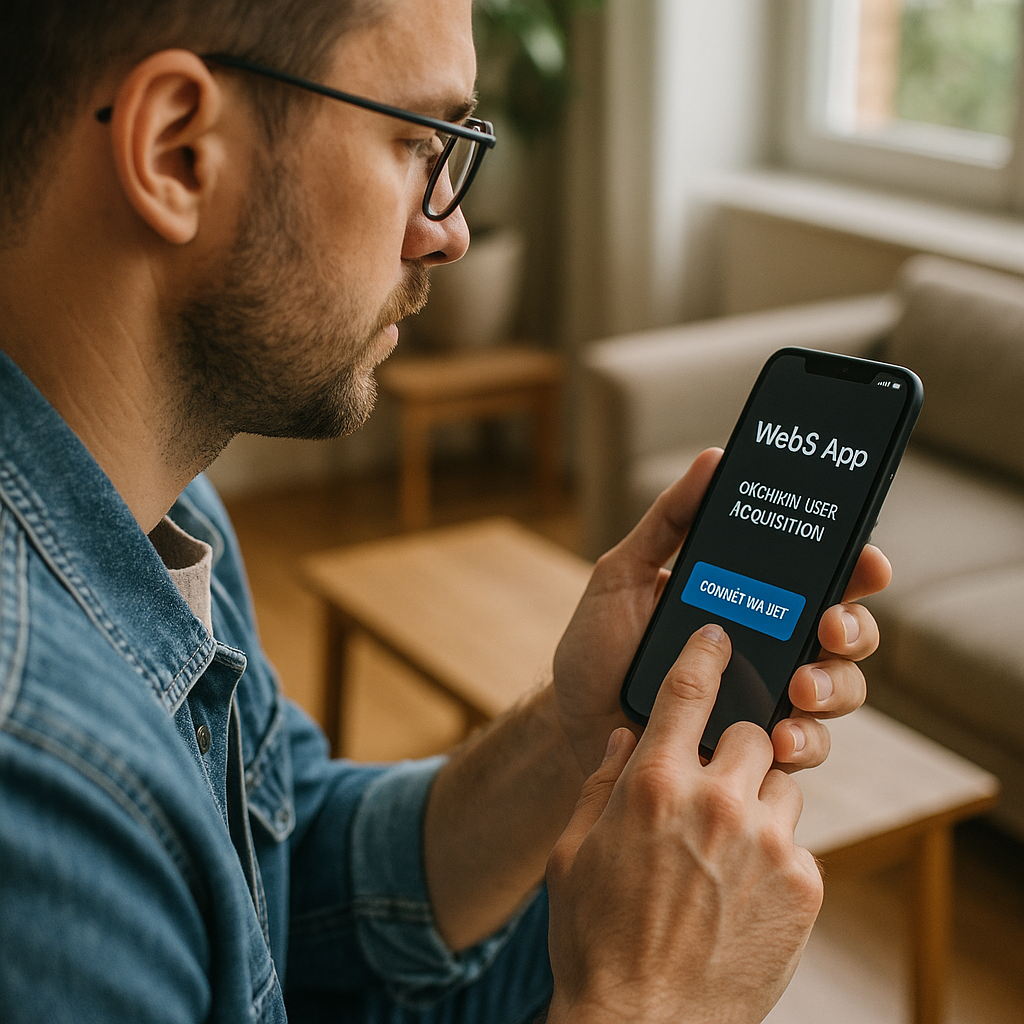


Onchain User Acquisition For US DeFi Startups is no longer just a growth tactic, it is a compliance-sensitive way to find, understand, and retain real users through wallet activity. This guide shows how U.S. DeFi teams can grow responsibly with blockchain data, transparent incentives, and risk-aware marketing.
What Is Onchain User Acquisition For US DeFi Startups?
Onchain user acquisition means using public blockchain activity, wallet behavior, smart contract interactions, and token-based incentives to attract users who are likely to use a DeFi product. For U.S. startups, it also means building growth systems that consider securities law, AML expectations, consumer protection, and platform risk.
Unlike traditional fintech marketing, DeFi acquisition often starts with observable behavior. A wallet may have supplied liquidity, bridged assets, voted in a DAO, interacted with lending protocols, or swapped stablecoins. Therefore, growth teams can target intent rather than broad demographics.
However, this does not mean every active wallet is a safe or profitable user. Some wallets belong to bots, sybil farms, sanctioned entities, exploiters, or short-term airdrop hunters. As a result, strong onchain growth combines data science, compliance review, product education, and careful incentive design.
In practice, Onchain User Acquisition For US DeFi Startups works best when it supports long-term product use instead of vanity metrics. The goal is not only more wallets. The goal is more qualified users who understand the risks, use the protocol safely, and create sustainable liquidity or volume.
How Does Onchain Growth Work Without Wasting Incentives?
Effective onchain growth starts by identifying user intent, then matching that intent with a useful action. For example, a lending protocol may target wallets that already use stablecoins, hold collateral assets, or interact with competing money markets. This creates a stronger signal than paid ads alone.
According to research across Web3 analytics and growth teams, wallet segmentation can improve campaign quality when paired with fraud controls. However, experts recommend treating blockchain data as probabilistic, not perfect. A wallet address does not always equal one human user.
Strong DeFi acquisition programs often include:
- Wallet-based segmentation using swap, lending, staking, and bridging history
- Behavior-triggered campaigns, such as education after a first deposit
- Risk scoring for sybil behavior, bot activity, and suspicious transactions
- Compliance review for token rewards, referral campaigns, and public claims
- Retention metrics, including repeat deposits, governance participation, and liquidity depth
- Onchain User Acquisition For US DeFi Startups tied to real product usage, not empty wallet counts
In addition, teams should measure cost per qualified wallet rather than cost per click. A qualified wallet might complete a swap, provide liquidity, borrow responsibly, or return after the first week. Similarly, a high-value user may not deposit immediately but may engage with documentation, risk pages, and governance.
Onchain User Acquisition For US DeFi Startups Using Wallet Segments
The best wallet segments are built around behavior, value, and risk. For example, a decentralized exchange may segment users who trade stablecoin pairs, while a liquid staking startup may focus on wallets holding ETH across multiple chains. Meanwhile, an institutional-facing DeFi product may prioritize wallets connected to verified entities or compliant custodial flows.
Important onchain segments may include active liquidity providers, governance voters, bridge users, stablecoin holders, NFT-backed borrowers, DAO contributors, and repeat traders. These are related entities Google and users often connect with DeFi marketing, smart contracts, liquidity pools, tokenomics, decentralized exchanges, and KYC or AML compliance.
What is the best way to attract DeFi users onchain? Start with a segment that already shows the behavior your product supports. Then create a campaign that reduces friction, explains risk clearly, and rewards meaningful actions. For example, reward a user for completing a safety checklist before depositing, not only for moving funds.
Campaign channels can include wallet messaging, quests, token-gated communities, ecosystem grants, referral links, governance forums, partner integrations, and retargeting through privacy-conscious ad networks. However, U.S. startups should avoid misleading yield claims, pressure tactics, or language that suggests guaranteed returns.
Why Onchain Acquisition Can Improve Retention, Trust, and Capital Efficiency
Onchain acquisition can be more efficient because it starts with demonstrated user behavior. Instead of guessing who might want a DeFi product, a startup can observe who already uses similar financial infrastructure. Therefore, marketing becomes more relevant, and product education becomes more timely.
Studies suggest personalized onboarding improves activation when users receive the right information at the right moment. In DeFi, this matters because users face complex decisions involving gas fees, slippage, liquidation risk, impermanent loss, bridge risk, and smart contract exposure.
Onchain User Acquisition For US DeFi Startups may support growth in several practical ways:
- Higher conversion from users already familiar with wallets and DeFi transactions
- Lower wasted spend compared with broad paid media campaigns
- Better fraud detection through wallet clustering and sybil analysis
- More useful attribution across referrals, quests, and protocol integrations
- Improved retention when incentives are linked to repeat, healthy usage
For example, a new lending protocol might invite experienced stablecoin users to test a conservative collateral market. In addition, it could show educational prompts about liquidation thresholds before any deposit. This approach supports acquisition and user protection at the same time.
How do DeFi startups measure onchain user acquisition? Useful metrics include connected wallets, first transaction rate, funded wallet rate, repeat transaction rate, net deposits, liquidity retention, revenue per wallet, referral quality, and suspicious wallet percentage. Notably, a smaller campaign with safer, more engaged users may outperform a large campaign filled with bots.
What Risks Should U.S. DeFi Startups Consider Before Launching Campaigns?
DeFi growth is a financial YMYL topic because users may lose money. Therefore, acquisition strategies must avoid exaggerated claims and must clearly communicate material risks. This is especially important in the United States, where regulators continue to scrutinize token sales, staking products, lending protocols, and promotional statements.
Possible risks include smart contract bugs, oracle failures, governance attacks, liquidation events, impermanent loss, bridge exploits, regulatory enforcement, tax complexity, and loss of private keys. In addition, token rewards can create legal and accounting questions. A campaign that looks like a simple referral program may raise securities, commodities, banking, or consumer protection issues.
Startups should consult qualified legal, compliance, and tax professionals before launching token incentives, public yield messaging, or campaigns aimed at U.S. retail users. Moreover, users should consider their own financial situation and risk tolerance before interacting with any DeFi protocol. No acquisition campaign should replace careful product diligence.
Can U.S. DeFi startups run airdrops legally? The answer depends on structure, messaging, token function, eligibility, and applicable law. Experts recommend reviewing SEC, CFTC, FinCEN, OFAC, state money transmission, and tax considerations before launching. There is no universal safe template for every protocol.
Practical Steps to Build a Safer Onchain Acquisition Program
A responsible growth plan can still move quickly. However, it should include checkpoints before money, tokens, or users are put at risk.
- Define the user action that matters, such as a first swap, deposit, vote, or liquidity position.
- Build wallet segments from relevant onchain behavior, then remove suspicious clusters and obvious sybil patterns.
- Review campaign claims for accuracy, especially any mention of yield, safety, rewards, or expected returns.
- Use educational onboarding that explains fees, liquidation risk, smart contract risk, and withdrawal limits.
- Track retention and risk metrics, not only sign-ups, impressions, or connected wallets.
- Run a legal and compliance review before token rewards, referral payments, or U.S. retail promotions go live.
Additionally, teams should test small campaigns before scaling. A pilot can show whether users stay, whether incentives attract bots, and whether support tickets reveal confusion. Consequently, the startup can improve documentation, adjust reward rules, and reduce preventable user harm.
For trust, publish plain-language risk disclosures, audits where available, bug bounty information, and protocol documentation. Likewise, explain what the product does not do. If a vault is experimental, say so. If a bridge adds risk, name it. Clear communication may reduce conversion slightly, but it can improve long-term credibility.
Which Channels Work Best for Onchain DeFi User Acquisition?
The strongest channels usually combine onchain targeting with community trust. Partner integrations, ecosystem co-marketing, wallet-native messaging, governance forums, developer communities, and educational quests often outperform broad ads for technical DeFi products. However, channel performance depends on the user segment and product risk level.
For early-stage protocols, ecosystem partnerships can be especially useful. A new derivatives protocol might partner with an analytics dashboard. A stablecoin startup might work with wallets, payment apps, or treasury tools. Meanwhile, a DAO tooling startup may acquire users through governance forums and contributor networks.
Paid acquisition still has a role, but it should not carry the entire strategy. Instead, use paid campaigns to amplify proven content, case studies, product explainers, or risk education. Then, connect those campaigns to onchain attribution so the team can see which sources produce real protocol activity.
Onchain User Acquisition For US DeFi Startups should also include post-acquisition support. Users need documentation, transparent fees, support channels, incident updates, and security reminders. Growth does not end when a wallet connects. In fact, the most important moment often comes after the first transaction.
The practical takeaway is simple: Onchain User Acquisition For US DeFi Startups works best when growth, compliance, analytics, and user education move together. Use blockchain data to find high-intent users, but design campaigns that protect trust, reduce risk, and reward real long-term participation.