
How To Measure SEO After AI Overviews matters most for health publishers because rankings no longer tell the whole story. In 2026, a clinic, pharmacy, nutrition brand, or medical content site may gain visibility in Google while losing traditional clicks, so the smarter goal is measuring qualified visibility, patient trust, and safe health actions.
How To Measure SEO After AI Overviews for healthcare websites in 2026
To measure SEO after AI Overviews, track more than organic sessions. Combine AI citation visibility, non-click impressions, branded search growth, engaged traffic, clinical topic authority, conversions, and content quality signals. For health websites, also review medical accuracy, reviewer credentials, and whether pages support safe decisions without replacing professional care.
AI Overviews changed search measurement because Google can answer part of the query before a user clicks. However, this does not make SEO less valuable. Instead, it shifts the value from simple traffic volume to trusted presence across the search journey. For YMYL topics such as diabetes, hypertension, pregnancy, medications, mental health, and cardiovascular symptoms, that trust matters even more.
Traditional rank tracking still helps, but it is incomplete. A page may rank number three and still receive fewer visits if an AI answer appears above it. Meanwhile, another page may be cited inside the AI Overview and gain brand authority, even with modest click-through rate. Therefore, healthcare SEO teams need a measurement model that captures visibility, credibility, and patient-safe outcomes.
Which SEO metrics matter most when AI answers reduce clicks?
The strongest measurement plan blends classic SEO data with AI-era visibility signals. According to research on search behavior, users often compare multiple sources for medical questions, especially when symptoms, side effects, or treatment choices are involved. As a result, your content must earn attention before and after the click.
- How To Measure SEO After AI Overviews: monitor whether your pages are cited, summarized, or displaced by AI-generated results.
- Track Search Console impressions for important health queries, including symptom, condition, medication, and prevention searches.
- Compare click-through rate changes for pages affected by AI Overviews versus pages without them.
- Measure engaged sessions, scroll depth, appointment clicks, newsletter signups, and calls from organic visitors.
- Review branded search growth, because AI visibility can increase searches for your clinic, author, or publication name.
- Audit medical reviewer information, references, update dates, and content accuracy for E-E-A-T strength.
Notably, impressions may become more important than before. If your article on “early signs of high blood pressure” appears in an AI Overview, users may not click immediately. However, they may remember your hospital brand and search it later. That delayed demand is real SEO value, even when attribution looks messy.
How To Measure SEO After AI Overviews inside Google Search Console
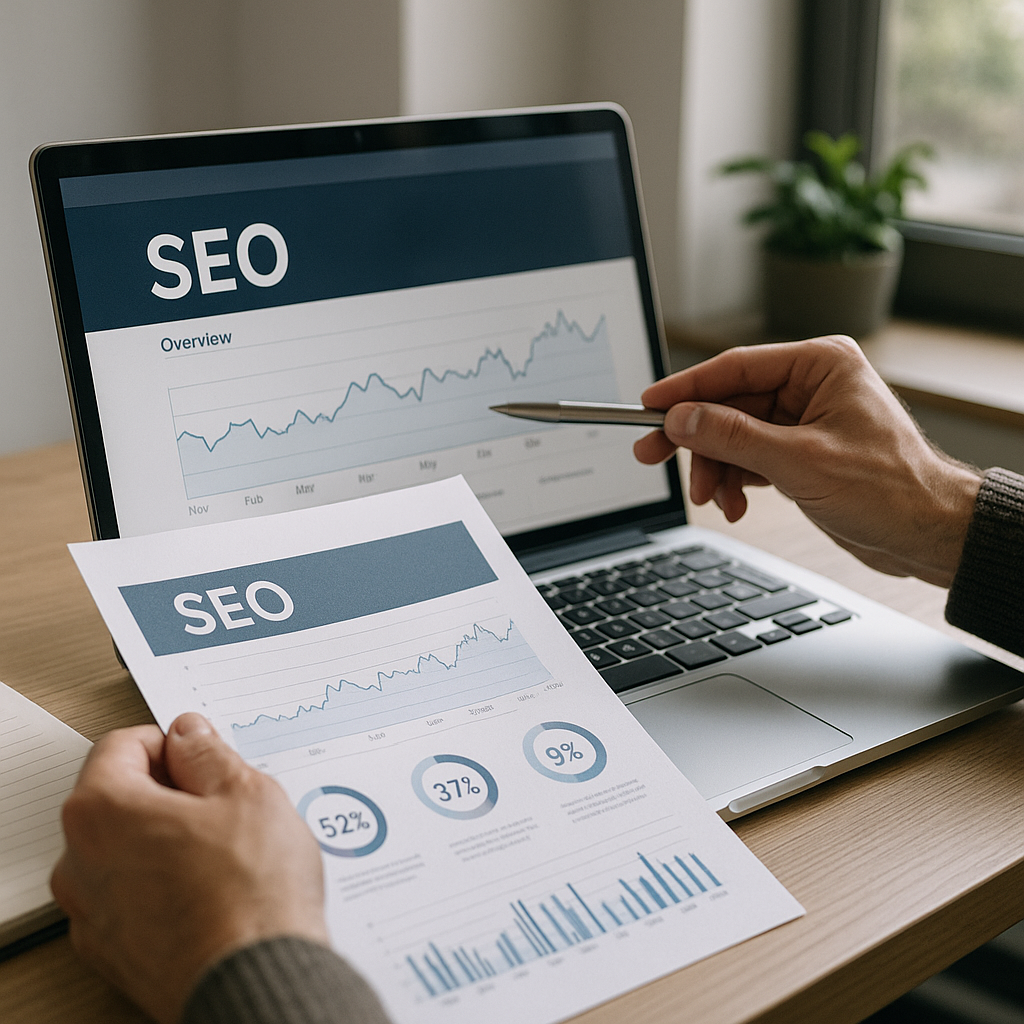
Google Search Console remains essential, although it does not always separate AI Overview impressions from standard search features. Still, it can show where behavior changed. Start by comparing query-level impressions, average position, and click-through rate for medical topics before and after AI Overview exposure.
For example, a nutrition site may see impressions rise for “magnesium and sleep,” while clicks fall. That pattern can mean the AI answer satisfies basic curiosity. However, deeper long-tail terms, such as “is magnesium safe with blood pressure medicine,” may still drive clicks because users need nuance. Since supplements can interact with medications or affect people with kidney disease, this content should advise readers to consult a healthcare provider before making changes.
Use annotations in analytics whenever Google rolls out major search changes. In addition, segment pages by intent. Informational pages, such as “what is insulin resistance,” may lose more clicks than decision pages, such as “endocrinologist near me for type 2 diabetes.” Consequently, the right benchmark depends on the user’s stage and medical risk level.
How do you track SEO when AI Overviews reduce clicks?
When clicks drop, avoid assuming SEO has failed. Instead, check whether the page still earns visibility and whether other business or health education outcomes improved. For healthcare organizations, a lower click count can still support public health awareness, brand trust, and later patient conversion.
- Identify pages with falling clicks but stable or rising impressions.
- Check whether AI Overviews appear for their main queries using manual searches and SEO tools.
- Record whether your domain, author, or cited medical source appears in the AI answer.
- Compare branded searches, direct visits, and returning users after visibility increases.
- Review engagement quality, including time on page, form starts, calls, video views, and provider profile visits.
- Update content with clearer answers, expert review, current guidelines, and medically cautious language.
This process helps answer a common People Also Ask question: “What SEO metrics should I track after AI Overviews?” The answer is impressions, AI citations, branded demand, engagement, conversions, and topic authority. Rankings alone cannot explain performance anymore.
Similarly, healthcare SEO should measure quality at the page level. A strong article should identify who the information is for, when symptoms may require urgent medical care, and why individual risk varies. For example, chest pain, severe shortness of breath, stroke-like symptoms, allergic reactions, or suicidal thoughts need urgent professional support, not a search result.
What risks should medical websites avoid when measuring AI-era SEO?
The biggest risk is optimizing only for visibility while weakening medical trust. Google’s quality systems are especially strict with YMYL content because poor advice can harm people. Therefore, SEO teams must never treat medical content like ordinary lifestyle content.
One common mistake is chasing AI citations with overly broad answers. Short, confident statements may perform well in snippets, but they can become unsafe when they ignore contraindications. For instance, saying a nutrient “supports heart health” without noting medication interactions, pregnancy considerations, or chronic kidney disease can mislead readers. Studies suggest context improves patient understanding, especially for complex health decisions.
Another risk is measuring only conversions. Healthcare websites should track appointments and lead forms, but they should also respect patient safety. A page about antidepressant side effects should not push a booking form before explaining when to contact a clinician. Moreover, content about children, pregnancy, cancer, cardiovascular disease, diabetes, and prescription drugs deserves extra editorial review.
Experts recommend medical content workflows that include qualified reviewers, source checks, and routine updates. In addition, avoid exaggerated claims such as guaranteed cures, rapid fat loss, or permanent pain relief. Instead, use balanced wording, such as “may help,” “is often associated with,” and “can support.” This language matches medical uncertainty and reduces compliance risk.
How can healthcare teams build a practical AI Overview SEO dashboard?
A useful dashboard should make decisions easier, not just collect charts. Start with a small set of metrics that connect search visibility to patient trust and business outcomes.
- Create a query group for each major medical topic, such as diabetes prevention, blood pressure, medication safety, or digestive symptoms.
- Track impressions, clicks, click-through rate, rankings, and AI Overview presence for each group.
- Add engagement metrics, including scroll depth, video completion, provider profile clicks, and call button taps.
- Monitor branded search volume for your organization, authors, physicians, and flagship health resources.
- Log content quality updates, including medical review dates, guideline changes, and new references.
- Review outcomes monthly, then prioritize updates for high-risk YMYL pages first.
This answers another common question: “Can SEO still grow if AI Overviews take traffic?” Yes, it can, but growth may appear in different places. You may see fewer informational clicks and more branded searches, direct visits, local actions, or higher-intent conversions. Therefore, measurement needs a wider lens.
For local healthcare providers, include Google Business Profile actions, maps visibility, calls, and appointment requests. For health publishers, include newsletter signups, returning readers, citation growth, and expert author recognition. Meanwhile, ecommerce health brands should monitor assisted conversions and safety-related content engagement, especially for supplements, devices, or condition-specific products.
How should content change to win visibility in AI Overviews?
Measurement improves when the content itself is built for both humans and AI systems. Clear structure helps Google understand your page. However, trust signals help people decide whether to believe it.
Use concise definitions near the top, then add clinical nuance below. Include who the advice applies to, who should be cautious, and when to seek medical care. In addition, answer follow-up questions that real readers ask, such as “Is this symptom serious?” or “Can this supplement interact with my medication?”
For How To Measure SEO After AI Overviews, healthcare content should be evaluated by both performance and safety. A page that earns more impressions but creates confusion is not a win. A better page helps users understand options, encourages appropriate care, and makes the organization easier to trust.
Finally, refresh content often. Medical consensus changes, guidelines evolve, and search results shift. Pages about vaccines, weight-loss medications, nutrition, women’s health, and chronic disease management need regular review. If your article discusses symptoms, diagnosis, treatment, or supplements, include a natural reminder to consult a healthcare provider for personal advice.
The practical takeaway is simple: How To Measure SEO After AI Overviews requires a shift from ranking reports to trust-based performance measurement. Track AI visibility, search impressions, engagement, branded demand, conversions, and medical quality together. That approach gives health websites a clearer view of SEO value in 2026, even when the click is no longer the first signal.