

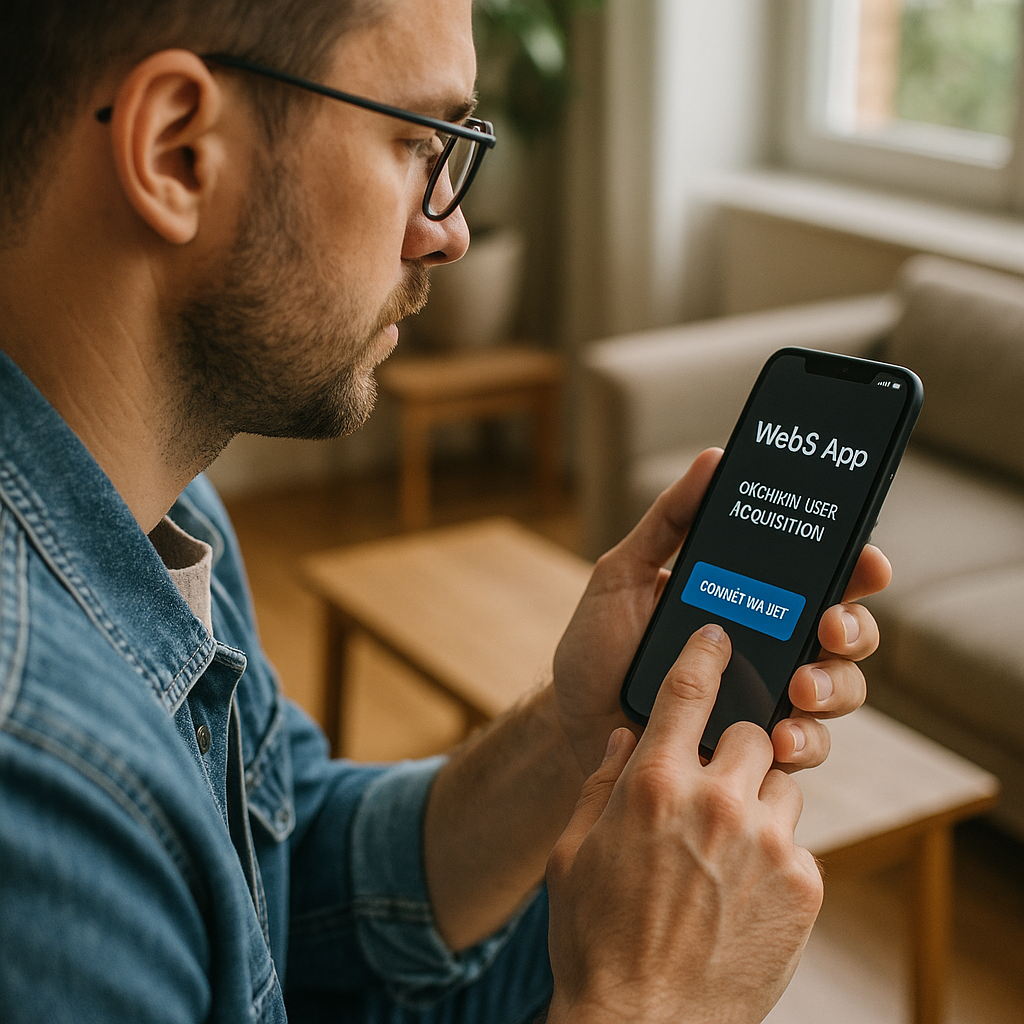
Onchain User Acquisition For US Web3 Apps is no longer about handing out tokens and hoping users stay. The winning approach combines wallet-level data, compliant onboarding, clear user value, and retention loops that make every campaign measurable from first click to repeat transaction.
Onchain User Acquisition For US Web3 Apps: What Does It Actually Mean?
Onchain user acquisition means attracting, verifying, activating, and retaining users through blockchain-native signals, such as wallet activity, smart contract interactions, token ownership, referrals, and transaction history. For US Web3 apps, it must also account for privacy, securities rules, tax reporting, OFAC screening, and consumer protection expectations.
In simple terms, Onchain User Acquisition For US Web3 Apps turns user growth into a measurable wallet journey. Instead of relying only on email signups or paid ads, teams can understand which wallets are likely to convert, what actions show intent, and which incentives lead to long-term participation.
This matters because Web3 users behave differently from traditional SaaS or mobile app users. Many arrive with wallets instead of usernames. They compare apps by fees, network support, incentives, community reputation, and perceived safety. Therefore, growth teams need both marketing skill and blockchain intelligence.
However, the US market adds extra complexity. A campaign that works globally may trigger compliance issues in the United States. For example, token rewards, staking language, airdrops, and referral bonuses can carry regulatory, tax, or consumer-risk implications. As a result, experts recommend involving legal, compliance, and tax professionals before launching large-scale campaigns.
How Do US Web3 Apps Acquire Onchain Users Without Wasting Budget?
US Web3 apps acquire users by matching wallet-level intent with a clear product action. Instead of buying broad traffic, they target users who already show relevant blockchain behavior. Then they guide those users through a low-friction first transaction, followed by retention incentives that reward meaningful activity.
The best strategies usually combine offchain marketing with onchain proof. For example, a DeFi app may promote educational content through search and social channels. Meanwhile, it can identify wallets that have interacted with similar liquidity pools, governance contracts, or Layer 2 networks. Consequently, outreach becomes more relevant and less wasteful.
Strong campaigns often include these building blocks:
- Wallet segmentation based on chain activity, token holdings, app usage, and transaction frequency
- Privacy-conscious onboarding that explains wallet permissions before requesting a signature
- Educational content that reduces anxiety around bridges, gas fees, smart contracts, and custody
- Compliant incentive design that avoids misleading earnings claims or unclear reward terms
- Onchain User Acquisition For US Web3 Apps measured by activation, retention, and verified wallet actions
According to research across digital product growth, users are more likely to return when their first experience creates a quick, understandable win. In Web3, that first win might be minting a pass, completing a swap, joining a gated community, earning a non-financial badge, or saving fees through a better network route.
Nevertheless, incentives should not become the product. If users arrive only for an airdrop, they may leave after claiming it. Therefore, smart teams design acquisition around utility, not speculation. They ask, “What valuable action should the user repeat next week?” rather than “How many wallets can we attract today?”
Onchain User Acquisition For US Web3 Apps Starts With Wallet Intent
Wallet intent is the difference between random traffic and qualified traffic. A wallet that recently bridged to Base, swapped stablecoins, voted in DAO governance, or minted a gaming asset may reveal a specific user interest. Similarly, dormant wallets can show reactivation potential if they previously used related protocols.
For example, a US Web3 gaming app might segment wallets that hold gaming NFTs, interact with marketplace contracts, or use specific Layer 2 ecosystems. In addition, it may exclude wallets linked to suspicious activity or sanctioned addresses. Tools that support OFAC screening, fraud scoring, and Sybil detection can help reduce campaign risk.
What metrics matter for onchain acquisition? Focus on actions that connect to real product value. Impressions and clicks still matter, but wallet-based growth needs deeper signals. Useful metrics include connected wallets, signed messages, first transactions, gas-sponsored activations, repeat transactions, net deposits, referral quality, and 30-day retention.
Notably, a smaller group of high-intent wallets can outperform a large list of unqualified users. This is especially true for finance-related Web3 apps, where trust, security, and regulatory clarity influence conversion. In addition, US users may hesitate if they do not understand custody, taxes, or risk. Clear copy often improves activation more than bigger rewards.
What Are the Main Growth Levers for Blockchain User Acquisition?
Onchain User Acquisition For US Web3 Apps works best when the user journey feels safe, useful, and easy to complete. Because wallet experiences can feel unfamiliar, every step should reduce confusion. Moreover, each campaign should explain what the user gets, what data appears onchain, and what risks exist.
Here are the growth levers that typically create durable acquisition:
- Search-led education for queries such as “how do web3 apps acquire users in the US?”
- Partner campaigns with wallets, Layer 2 networks, NFT communities, DAOs, and infrastructure brands
- Quest campaigns that reward learning, testing, or contribution instead of pure speculation
- Referral loops with fair terms, fraud controls, and transparent eligibility rules
- Lifecycle messaging that brings users back after key wallet events or product updates
- Community-led onboarding through Discord, Telegram, Farcaster, and in-app support
In practice, the strongest Web3 growth strategy blends three layers. First, attract users through content, partnerships, paid media, and creator channels. Second, qualify them through wallet behavior and user intent. Third, activate them with a simple onchain action that proves product value.
For instance, a wallet security app could target users who recently interacted with risky contracts or hold valuable assets. However, it should avoid fear-based claims. Instead, it can explain common attack patterns, show transparent risk scoring, and offer a free wallet check. As a result, the campaign feels helpful rather than predatory.
Studies suggest that trust signals are especially important when users face financial decisions. In Web3, trust signals may include audited smart contracts, bug bounty programs, transparent fees, clear risk disclosures, recognizable partners, and public documentation. Consequently, acquisition pages should not look like hype pages. They should feel like product education.
What Risks Should US Web3 Teams Consider Before Launching Campaigns?
Growth can create legal, financial, and reputational risk if the campaign promises too much or screens too little. Onchain User Acquisition For US Web3 Apps often touches regulated areas, including securities law, money transmission, tax reporting, sanctions compliance, privacy, and advertising standards.
Token rewards deserve special care. Depending on structure and messaging, rewards may raise questions around investment expectations, taxable events, or consumer disclosures. In addition, referral campaigns can attract bots, Sybil farms, and coordinated abuse. Therefore, teams should avoid return-focused language and document campaign rules clearly.
Common risk areas include:
- Misleading claims about profits, yields, guaranteed rewards, or future token value
- Weak sanctions screening, especially when campaigns are open to global wallet traffic
- Unclear tax implications for airdrops, rewards, or token-based incentives
- Poor smart contract security, including unaudited reward contracts or unsafe approvals
- Privacy issues caused by combining wallet data with personal information without consent
Before launching, consult qualified legal, compliance, and tax advisors who understand US crypto rules. This is not just a box to check. It can protect the company, users, and investors. Additionally, teams should publish plain-language campaign terms, explain eligibility, and avoid pressuring users into high-risk actions.
Security also matters for acquisition. If users encounter wallet-drainer links, fake support accounts, or confusing signature requests, trust can collapse quickly. Therefore, use verified domains, clear signing messages, official social links, and real-time monitoring during campaigns.
How Can Teams Build a Safer Onchain Acquisition Plan?
A safer plan starts with user value and ends with measurable retention. Instead of launching a broad airdrop first, map the entire journey from discovery to repeat use. Then test each step with a small cohort before scaling.
- Define the ideal wallet profile, including chains used, transaction patterns, asset types, and risk exclusions.
- Choose one activation action, such as minting, swapping, staking, voting, bridging, or completing a safety check.
- Write clear campaign terms that explain eligibility, timing, reward limits, privacy use, and restrictions.
- Run fraud controls, including Sybil detection, bot filtering, sanctions screening, and duplicate behavior checks.
- Measure quality after activation by tracking repeat use, retention, support tickets, and wallet-level lifetime value.
How much should a Web3 app spend on acquisition? There is no universal number. However, teams should compare cost per activated wallet, not just cost per click. Moreover, they should separate real users from reward hunters before calculating campaign ROI.
Can onchain data replace traditional analytics? Not completely. Onchain analytics shows wallet behavior, but it may not reveal user intent, satisfaction, or support friction. Therefore, combine blockchain analytics with product analytics, customer interviews, surveys, and community feedback. This gives a fuller picture.
Which channels work best for US Web3 user growth? Search content, wallet partnerships, ecosystem grants, creator education, developer communities, and targeted paid campaigns can all work. However, the best channel depends on the product category. A consumer NFT app needs different messaging than a DeFi risk engine or enterprise wallet tool.
What Should a 30-Day Onchain Growth Test Look Like?
A focused 30-day test can prove whether your acquisition engine has real potential. Start with one audience, one chain, one message, and one activation event. In addition, set a clear safety review before launch.
During week one, research wallet segments and create compliant landing pages. During week two, launch education content and partner outreach. During week three, run controlled quest or referral tests. During week four, evaluate wallet quality, retention, fraud rate, support issues, and total campaign cost.
For faster learning, compare at least two user paths. For example, test a gas-sponsored first transaction against a non-reward educational flow. Similarly, compare wallet-based targeting with interest-based paid traffic. The goal is not only more users. The goal is better users who understand the product and return voluntarily.
Onchain User Acquisition For US Web3 Apps works when growth, compliance, product, and security teams move together. Start small, target wallet intent, explain risks clearly, and measure retention after the first transaction. With that discipline, Onchain User Acquisition For US Web3 Apps can become a reliable growth system instead of a short-lived token campaign.