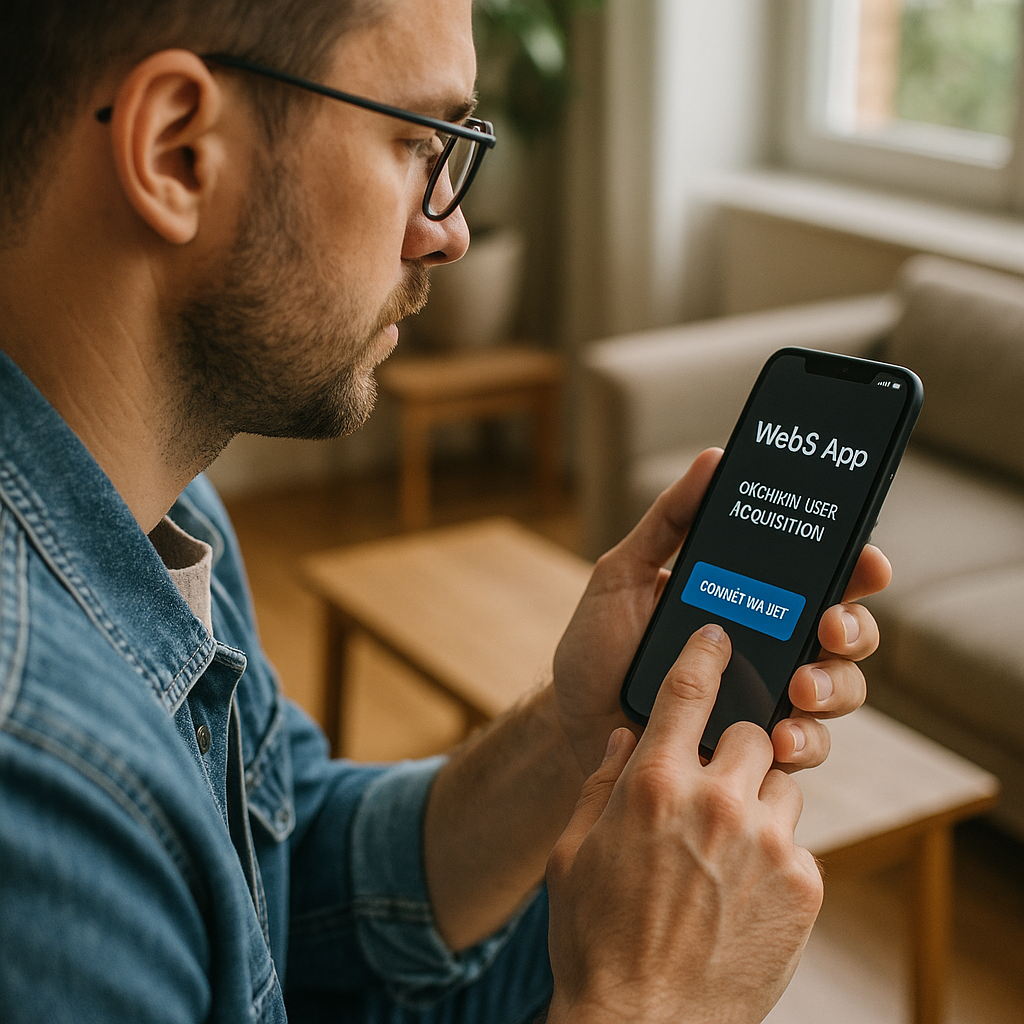


Onchain User Acquisition For US DeFi Apps is no longer just a growth tactic. It is a compliance-aware, data-driven way to attract real wallet users, measure quality activity, and reduce wasted spend in a market where trust, regulation, and retention matter as much as signups.
Onchain User Acquisition For US DeFi Apps: What Does It Actually Mean?
Onchain user acquisition means using wallet-level blockchain data, smart contract activity, referrals, incentives, and compliant analytics to find, activate, and retain users. For US DeFi apps, it must also account for securities risk, AML expectations, privacy, tax reporting concerns, and clear user education.
Traditional user acquisition tracks clicks, emails, installs, and ad pixels. However, DeFi growth teams can also study wallet behavior. For example, they can identify users who have bridged assets, supplied liquidity, swapped on decentralized exchanges, used stablecoins, or interacted with lending protocols.
That matters because a wallet often shows stronger intent than a website visit. A wallet that regularly uses Ethereum, Solana, Arbitrum, Base, or Polygon may be more valuable than a broad paid social audience. Moreover, onchain behavior helps teams separate curious visitors from active DeFi participants.
Still, this strategy is not only about targeting. In the US, DeFi apps face a complex environment involving SEC scrutiny, CFTC enforcement, FinCEN expectations, sanctions screening, consumer protection issues, and state-level money transmission questions. Therefore, acquisition campaigns should be designed with legal, compliance, and risk teams from the start.
How Do DeFi Apps Acquire Better Users Through Wallet Data?
Onchain growth works best when teams connect wallet signals to user intent. Instead of asking, “Who clicked our ad?” the better question is, “Which wallet behavior suggests this person may safely and responsibly use our product?” This shift can make growth more efficient, although it does not remove regulatory risk.
Useful acquisition signals may include:
- Recent swaps on decentralized exchanges or aggregators
- Liquidity provision in similar asset pools
- Stablecoin transfers between major networks
- Governance participation in relevant protocols
- Bridge activity from users entering a target ecosystem
- Onchain User Acquisition For US DeFi Apps tied to compliant wallet segmentation
According to research from blockchain analytics providers and market research firms, user quality often varies sharply by wallet history. Some wallets farm rewards and leave quickly. Meanwhile, others show consistent protocol usage, lower fraud patterns, and stronger lifetime value. As a result, acquisition teams should avoid treating every wallet as equal.
For example, a lending app may target wallets that already hold stablecoins and have borrowed responsibly elsewhere. Similarly, a decentralized exchange may focus on wallets that swap frequently but have not yet used its preferred chain. However, teams should avoid targeting sanctioned addresses, suspicious clusters, or users in restricted jurisdictions.
Onchain User Acquisition For US DeFi Apps Using Segments, Not Guesswork
The strongest campaigns start with small, explainable user segments. A team might build one segment for active stablecoin users, another for liquidity providers, and another for governance voters. Then, each segment receives a different message, incentive, and onboarding path.
For instance, stablecoin users may care about speed, fees, and capital efficiency. Liquidity providers may care about pool depth, impermanent loss, audits, and fee share. Governance voters may care about transparency and protocol direction. Therefore, one generic campaign usually performs worse than targeted education.
Experts recommend documenting why each segment is targeted. This helps growth, compliance, and product teams stay aligned. In addition, it creates a record of intent if questions arise about marketing practices, user screening, or incentive design.
Which Onchain Metrics Matter Most For Sustainable DeFi Growth?
Vanity metrics can mislead DeFi teams. A campaign may generate thousands of wallet connections, yet produce little real liquidity or long-term usage. Therefore, Onchain User Acquisition For US DeFi Apps should focus on quality, risk-adjusted behavior, and retention.
Useful metrics include funded wallet activation, first transaction completion, repeat transaction rate, total value locked quality, net deposits, retention by cohort, and suspicious wallet exclusion rate. Moreover, teams should track cost per retained wallet, not only cost per wallet connection.
Studies suggest that incentive-heavy campaigns can attract short-term users who leave when rewards decline. Consequently, a US DeFi app should separate organic users from reward-sensitive users. This helps estimate true product-market fit.
A practical measurement framework looks like this:
- Define the desired action, such as deposit, swap, stake, or borrow.
- Identify the wallet behaviors that predict safe product fit.
- Exclude sanctioned, high-risk, bot-like, or restricted wallet clusters.
- Run a small campaign with transparent terms and risk disclosures.
- Measure repeat usage after incentives end.
- Compare acquisition cost against retained wallet value.
This approach is slower than buying broad traffic. However, it often produces cleaner data. It also supports better decision-making for founders, investors, compliance teams, and community managers.
What Are The Legal And Financial Risks In US DeFi Growth Campaigns?
DeFi user acquisition in the United States carries real YMYL risk because users can lose money, trigger tax obligations, or interact with products they do not fully understand. Therefore, marketing must be accurate, balanced, and careful.
Common risks include:
- Promoting yield without explaining smart contract, market, and liquidation risk
- Using token incentives that may raise securities law concerns
- Failing to screen for sanctioned addresses or restricted jurisdictions
- Overstating safety because a protocol has completed an audit
- Collecting wallet or identity data without clear privacy practices
A smart contract audit may reduce technical risk, but it cannot guarantee safety. Similarly, high total value locked can signal adoption, yet it does not prove that a protocol is suitable for every user. As a result, campaigns should avoid phrases that imply guaranteed returns, risk-free yield, or protected principal.
Users should also understand that DeFi transactions can be irreversible. Gas fees, bridge failures, oracle issues, liquidation events, governance attacks, and liquidity shortages may affect outcomes. Because of this, US-facing apps should encourage users to review documentation and consult a qualified financial, tax, or legal professional before making significant decisions.
How Can US DeFi Teams Make Onboarding Safer And More Trustworthy?
Trustworthy onboarding can improve conversion without pressuring users. It also supports long-term brand credibility. For Onchain User Acquisition For US DeFi Apps, education is not a nice extra. It is part of responsible growth.
- Show the main risk before the user signs a transaction.
- Explain fees, slippage, liquidation, lockups, and withdrawal limits in plain language.
- Use progressive onboarding instead of pushing large first deposits.
- Provide clear links to audits, documentation, governance pages, and support channels.
- Separate educational content from promotional claims.
- Review campaign copy with legal and compliance experts before launch.
Notably, safer onboarding may also improve retention. When users understand what they are doing, they are less likely to churn after confusion or losses. In addition, clear communication can reduce support tickets and reputational damage.
How Should Incentives Be Designed Without Attracting Only Airdrop Farmers?
Incentives can help new users try a DeFi app. However, poorly designed rewards often attract bots, sybil wallets, and short-term farmers. Therefore, Onchain User Acquisition For US DeFi Apps should reward meaningful behavior, not empty activity.
Better incentive designs may include time-weighted participation, minimum education steps, loyalty tiers, fee rebates, community roles, or rewards based on retained activity. However, these campaigns should avoid misleading users about token value or future appreciation.
For example, a protocol could reward users who complete a learning module, make a small test transaction, and remain active after 30 days. Meanwhile, teams can limit abuse by using sybil resistance tools, wallet reputation scores, proof-of-humanity options, and risk-based review. These systems are imperfect, but they can reduce obvious manipulation.
Privacy also matters. Wallet data is public, but that does not mean users expect aggressive profiling. Consequently, teams should publish clear privacy notices, minimize unnecessary data collection, and avoid combining personal identity data with wallet data unless there is a legitimate reason and appropriate protection.
What Is The Best Channel Mix For US DeFi User Acquisition?
No single channel works for every protocol. A strong growth plan usually combines onchain analytics with search, content, community, partnerships, and carefully reviewed paid campaigns.
Effective channels include educational SEO pages, protocol comparison content, wallet-based referral programs, ecosystem grants, developer partnerships, community quests, governance forums, and integrations with wallets or aggregators. In addition, earned media can build credibility when claims are factual and transparent.
Search content is especially useful because it captures intent before a wallet connects. People search questions like “How do DeFi apps acquire users onchain?” or “What are the best metrics for DeFi user retention?” Answering those questions clearly can build trust before a transaction occurs.
Meanwhile, community campaigns work best when they provide real utility. For example, a Base lending app may partner with stablecoin communities, wallet providers, analytics dashboards, and educational creators. However, every claim should match the product’s actual functionality and risk profile.
The practical takeaway is simple: Onchain User Acquisition For US DeFi Apps works best when growth, analytics, compliance, and user education move together. Use wallet behavior to find qualified users, measure retention after incentives, explain risks clearly, and build campaigns that respect both regulation and user trust.